Strata and residential common-area cleaning contracts
Strata managers write the tender; committees and residents write the complaints. Bins, foyers, gyms and after-hours access are the job, not a cheap add-on to an office rate.
Editorial desk · 12 June 2025 · Updated 1 February 2026
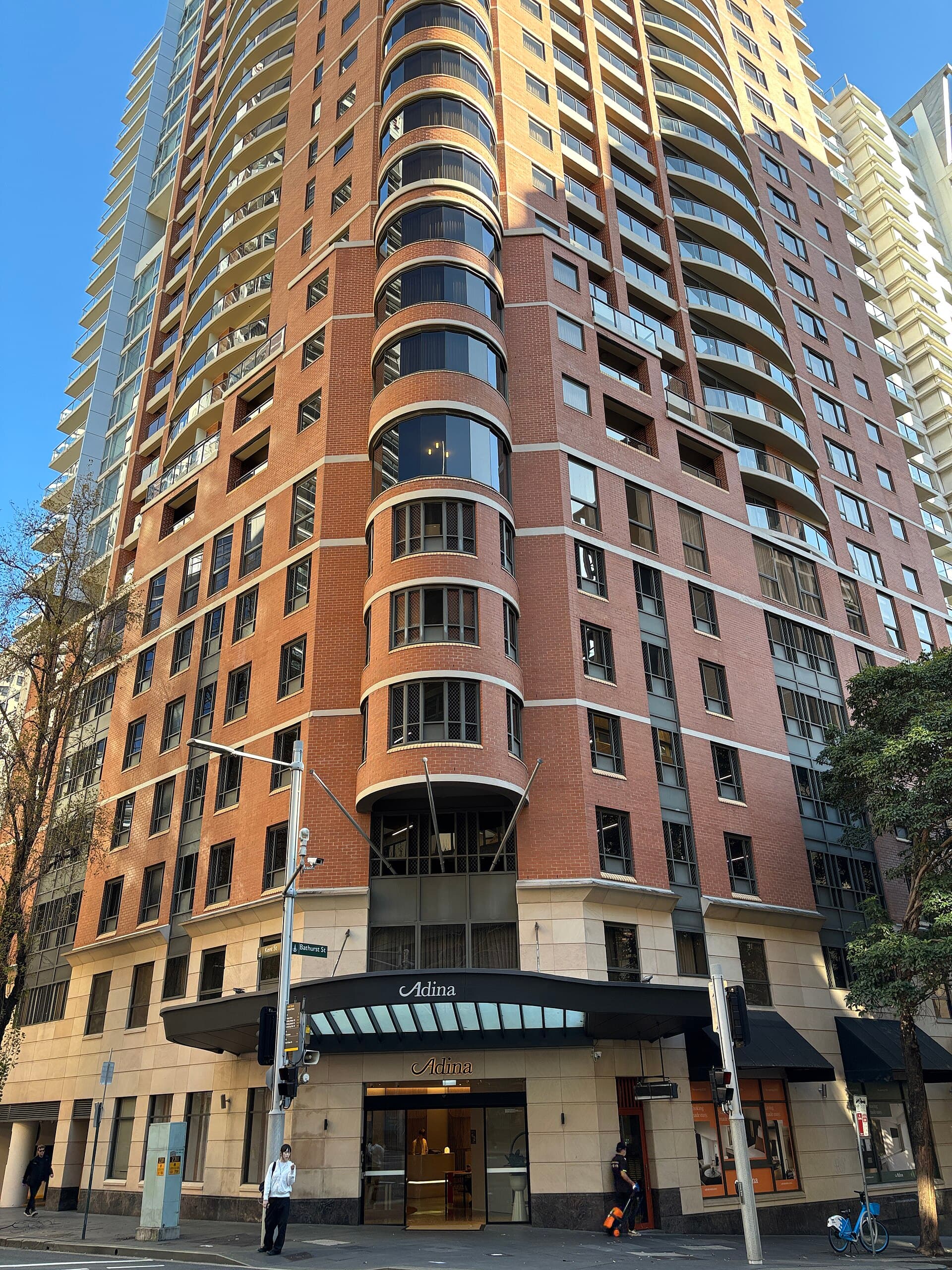
A strata scheme is a building with a hundred employers and no chief executive. The owners corporation — owners corporation in Victoria, body corporate in Queensland, strata company in Western Australia, owners corporation or strata scheme in New South Wales — owns the common property. A strata manager usually holds the pen. A committee holds the opinions. Residents hold the camera phone.
Contractors who treat this as a small office clean with a nicer foyer discover the real specification is bins, glass, lifts, a gym nobody booked as a wet area, and a by-law about not vacuuming before 8am. The work is not difficult. The politics are the job.
Managers write tenders; committees write the rest
The manager's tender will ask for a weekly price, insurance, a police check, and a promise to use environmentally kind chemicals. It will under-describe the bin room and over-describe the foyer marble. Read it as a starting point, then walk the scheme at collection time and on a Sunday night.
Who can issue a variation? If the answer is "the committee", you will collect instructions from three lot owners and a manager who was not copied. Write a single instructing party in the contract. Extras — after a move-in, after a leak, after a party in the BBQ area — need a named approver and a rate. A committee that wants everything extra "included because we pay you enough" is telling you the monthly is already too low.
AGMs change committees. A contractor who is loved in March can be retendered in September because a new chair "wants to test the market". Build that into the term. A three-year deed with a 30-day convenience termination is a 30-day deed. The same risk sits in buying a contract book: strata books look stable until the first AGM after settlement.
Some managers run a preferred-contractor panel. Winning the panel is not winning the building. Each scheme still decides. Do not spend the panel fee before you have a roster.
Money travels slowly through strata. Levies are raised in cycles; a scheme that has under-quoted its cleaning line will try to pay you from a sinking fund argument. The 30-day terms problem is alive here, with the added joy of a committee that meets monthly and approves invoices when it remembers.
Bins are a trade
Bin rooms, chutes, hard-waste cages and the kerb on collection morning are where strata contracts go to die. Residents dump sofas, paint and food. Council trucks come at an hour that does not match your roster. A locked chute on level 14 becomes a pile on level 1. Needles appear. So do the photographs.
Price a defined bin service: how often rooms are swept and washed, who presents bins, who washes them, what happens to dumped hard waste, and the call-out when a truck leaves a mess. If presentation is the building manager's job, say so. If it is yours, it is labour at 5am, not a foyer rate.
Wash methods matter. High-pressure water in a basement with a failed drain is a flood into a car park and a claim. Degreasers on a painted floor can strip it. Odour is a chemical and a frequency problem; it is also a design problem if the room has no make-up air. Do not promise a hotel lobby smell in a room that holds 40 bins.
Clinical or sanitary bins in amenities, if the scheme has them, are usually a specialist subcontract. So are grease traps if there is a commercial lot. Know the boundary with the café on the ground floor before you mop their overflow and inherit their food-safety complaint.
Foyers, glass and the building's one photograph
The foyer is the scheme's identity. Stone, tiles, or a timber wall that cannot take the chemical you use on the amenities — walk it with the product list. Entrance glass is cleaned more often than anyone put in the tender, because it is the photo in the listing. Internal glass balustrades in a 20-storey atrium are a working-at-heights and fall-protection job, not a "windows included" line.
Lifts are high-touch and high-complaint. Fingerprints on a champagne-gold door are visible in a way a grey office lift is not. Price the frequency the residents will enforce, not the frequency the tender offered.
Stairs and fire stairs split. Feature stairs in a foyer are daily. Fire stairs are a compliance clean and a dumping ground. If the fire contractor and the cleaner share a week, someone will be blamed for a blocked egress. Keep the stairs clear; do not store machines on a landing.
Car parks are oil, cigarette butts and a boom gate that will not let a scrubber through without a clicker. A ride-on that cannot make the ramp is a van that brought the wrong machine. Line-marking is usually not your job; washing off the line-marking because you used the wrong pad will be.
Gyms, pools and the wet-area fiction
A small residents' gym is a wet, high-touch, odour-prone room with rubber floors that hate the wrong solvent. Shared equipment should be wiped on a frequency the committee will compare to a commercial gym. If you did not price that, the foyer monthly is paying for it.
Pools, spas and saunas have a plant contractor. They also have tiles, amenities and a chemical store you should not rearrange. Confirm the boundary. A slip on a wet concourse is a WHS and a public-liability conversation. After-hours pool parties are an extra clean, every time, and a by-law the committee will want you to enforce. You are not the by-law. You can report; you cannot be the security guard unless that is a different contract.
BBQ decks, community rooms and visitor toilets behave like hotel function spaces without a banquet manager. Bookings calendars, if they exist, should drive a check after each hire. If there is no calendar, assume the Sunday mess is yours on Monday and price a buffer.
By-laws are operating hours
Noise by-laws will tell you when you may vacuum, buff or run a high-pressure washer. A contractor who starts a 6am foyer machine in a building full of shift workers will collect a complaint the manager is paid to forward. A contractor who can only work after 9am will clean around prams and couriers.
Pets, smoking on balconies, and the storage of bikes in hallways are not cleaning failures. They will still appear in your inbox as if they were. Have a written list of what you report and what you do not touch. Removing a resident's belongings is how you meet a committee and, occasionally, a police report.
Move-in and move-out days destroy lifts and foyers. Some schemes bond the resident and call you for a make-good. Have a rate. Do not absorb it.
Complaint culture is the quality system
Residents will photograph a missed edge and email the manager the same morning. They will not photograph the 11pm bin wash. Your defence is a dated photo record and a specification both sides signed — not a claim that you "were there". Inspect on a published cycle. Copy the manager, not the building WhatsApp.
After-hours residents are the new daytime. Working from home means a cleaner in the corridor is a noise event and a security event. Introduce a consistent face. A rotating casual pool looks like a stranger with a master key, because that is what it is. Key control on a residential site is tighter than an office: a lost fob can open a car park and a fire stair. Sign keys in and out. Do not label them with the address. After-hours access and keys is the register; a residential master is not a van key.
Police checks are commonly asked. Working-with-children checks appear if the scheme has a childcare lot or you also hold the school down the road and share staff. Keep the registers anyway.
Lone work in basements and roof plant rooms is a WHS issue the committee will not price. You still have to manage it.
Price the politics and the metres
Walk at dawn collection, at school drop-off, and at 7pm. Count the bin rooms, the amenities, the glass, the gym, and the fire stairs. Apply a square-metre method only to the floor that behaves like a floor. Bins and glass are hours.
Say no to a scheme that wants hotel presentation at a night-office rate, or that will not name an instructing party. A cheap strata book is a roster of complaints and a cash cycle tied to levies.
Related reading: hotels for another building that lives overnight, and growing a regional book for the supervisor who will take the Saturday call. More sits in sector playbooks.
Questions contractors ask
- Who is the client on a strata cleaning contract, the manager or the committee?
- The owners corporation, body corporate or strata company is usually the legal client. The manager runs the tender and the invoice. The committee will still ring you on a Saturday. Write who can issue instructions and who can approve extras.
- Why do bin rooms consume so many hours?
- Because they are wet, sharp, contested and political. Council collection times, resident dumping and a locked chute do not care about your foyer minute-rate. Price the bins as their own job or they will eat the contract.
- Can I clean common areas during the day to save night penalties?
- Sometimes, and then you clean around prams, trades and people working from home who treat the foyer as their office. Day work avoids some Award penalties and creates a complaint culture you must roster for. Do not assume it is cheaper until you have walked the building at 10am.