Hotel and hospitality turnaround cleaning
Room turnaround, public areas and kitchens are three trades on one key. Occupancy, events and the night audit decide whether the roster you priced still exists at 3pm.
Editorial desk · 21 May 2025 · Updated 1 February 2026
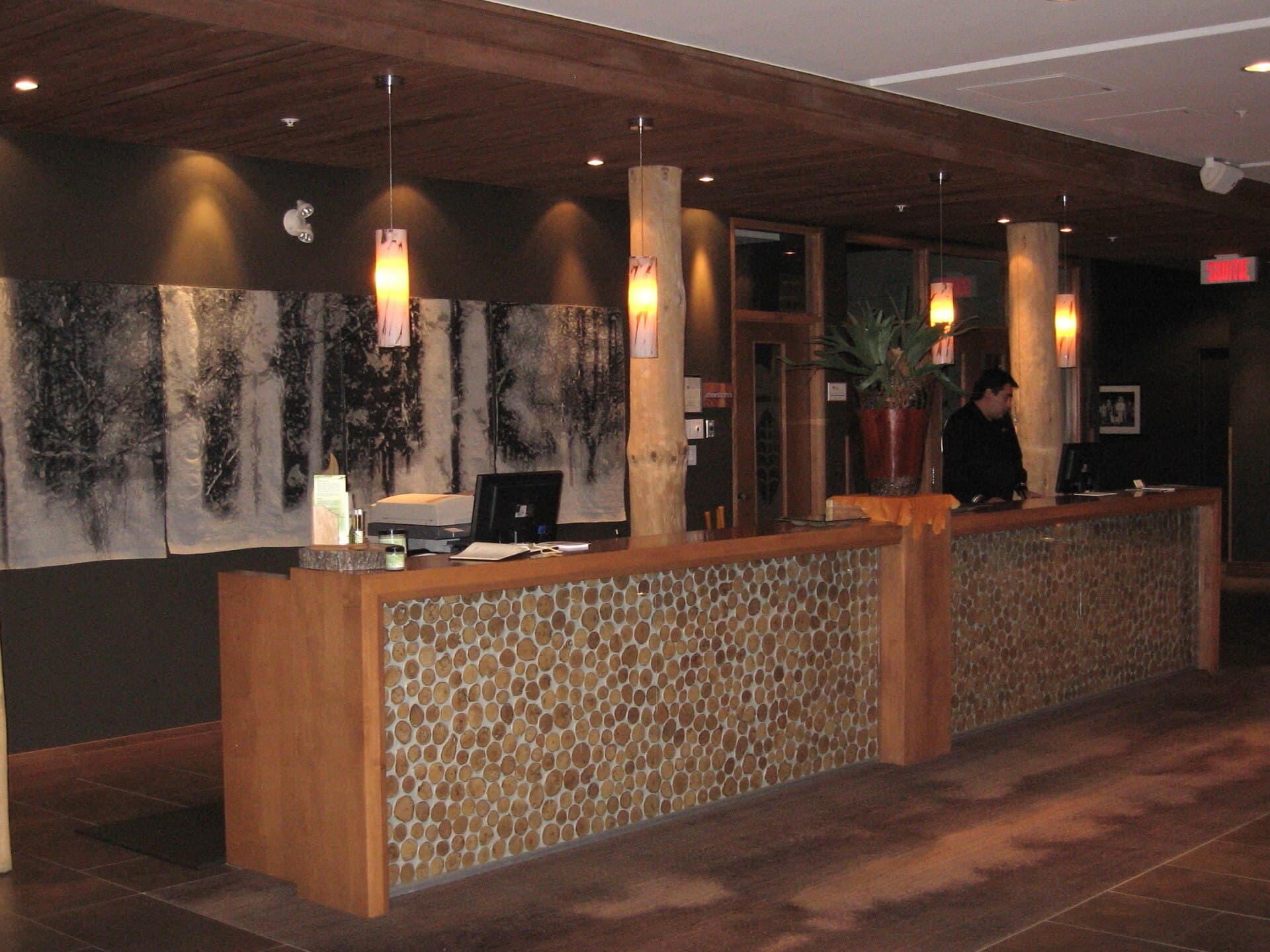
A hotel is a factory that manufactures empty rooms by 3pm and occupied rooms by 4pm. The public areas have to look like yesterday's brochure while that factory runs. The kitchen has a food-safety supervisor who does not care about your room-attendant scorecard. Contractors who bid "hospitality cleaning" as one line discover they have taken on three trades, a night manager who owns the building after 11pm, and a brand standard written in another country.
Some of this work is in-house housekeeping. Some is contracted public-area or kitchen work. Some hotels outsource the lot in a quiet season and regret it in a full one. Know which job you are pricing.
Room turnaround is a clock, not a square metre
Checkout to check-in is the specification. A city hotel that promises early check-in has stolen an hour from you. A late checkout has stolen another. The room attendant's minute-rate is set by linen change, bathroom detail, floor, amenities reset, minibar, lost property and the inspection. A productivity table that treats a studio apartment like a CBD office floor is fiction.
Stay-overs are a different, shorter job. A contract that pays the same for a stay-over as a depart is either generous or, more often, confused. Get the property-management system status, or a printed depart list, before the crew starts. Cleaning a stay-over as a full depart because nobody printed the list is how you run out of hours before the last floor.
Linen logistics decide the day. If the laundry is late, the room is not done. If the attendant is also pushing a 40-kilogram trolley down a long Victorian corridor with no service lift, the minute-rate you copied from a new-build apartment hotel will not hold. Strata apartment hotels and serviced apartments add kitchenettes: grease, bins and a dishwasher someone treated as a cupboard.
Quality is photographic. Brand inspectors and online reviews do not use your audit form. A hair in the bathroom and a dusty bedhead are the job, even if the floor tests clean. Build inspection time into the hour. A supervisor who only appears when a review lands is not supervising.
Occupancy is the variable that destroys a flat monthly. Price rooms as a rate per depart and per stay-over, with a public-area retainer that exists even at 20 per cent occupancy. A Grand Prix, a school-holiday coastal run, or a convention will spike departs; a quiet July will not pay a standing crew you sized for December. The Award still wants predictable part-time patterns. Hospitality demand is not predictable. That tension is the roster.
Public areas are the hotel's face and the night's leftover
Lobbies, lifts, amenities, gyms, pool decks and the car park are a daily clean plus a continuous presence if the hotel is busy. Coffee spill at 10am is not a night-shift problem. A contractor who only staffs after 11pm will lose the lobby by breakfast.
Floor type is not uniform. A polished concrete foyer, a wool carpet in the club lounge, and wet tiles around a pool are three methods. A walk-behind scrubber that is perfect at 2am is a trip hazard at 2pm. Schedule machines around guests, or do the work when the space is closed and write that closure into the contract.
Front-of-house amenities during a conference have a school-like throughput. Consumables run out. If they are in your scope, store them on the floor, not in a depot across the river. If they are not, say so when the concierge rings at 9pm.
Smoking, vaping and the "we will just have a drink on the balcony" room still land on public-area carpets and lifts. Odour jobs are extras. So are bodily-fluid cleans. Write the call-out, the chemical, the downtime of the space, and the Award hour if it is a Saturday wedding.
Kitchens are not rooms with stainless steel
A commercial kitchen is a food premises under state food Acts and the Food Standards Code. The person who owns the food business — usually the hotel, sometimes a leased restaurant — owns the food-safety program. Your crew, if you have the kitchen, works inside it.
Degreasing canopies, cleaning floor wastes, detailing a cool-room, and not flooding a pass that still has service plates on it are specialist hours. High-heat, wet floors, knives in a sink and a chef who has not finished are WHS. Do not send a room attendant with a spray bottle.
Split the cloths, the mops and the chemical. A sanitiser that is fine on a bathroom is not automatically food-contact safe. A degreaser that is fine on a floor can taint a plate. Store kitchen chemicals so they cannot walk onto a guest floor on a trolley.
If you do not have the kitchen, still ask where the service corridor is cleaned and who owns the grease on the shared loading dock. Hotels love a gap between contractors. You will be blamed for the gap.
Allergen and food-waste rules on a big hotel can approach the discipline in food processing. A buffet breakdown is a changeover. Treat it with the seriousness of the health inspector who will arrive after a complaint, not with the leftover hour of a room crew.
Event bump-ins will eat the roster you priced
Weddings, balls, product launches and conference bump-ins turn function rooms into construction sites with floral foam and gaffer tape. The clean is not the daily vacuum. It is a turnaround between a 1am pack-down and a 7am breakfast, often on a Sunday.
Price the event calendar or exclude it. A hotel sales team will book the room without asking you. A variation clause that needs three days' written notice is useless at midnight. Agree a labour rate, a minimum call, and who has authority to call it — banquet manager, night manager, or you.
Outdoor events and pool parties add glass, grass and a council noise restriction that will push the clean later. Wet-weather plans matter. So do the public-area toilets that every guest used at the same time.
Exhibition carpet and a ballroom parquet are not the same recovery. If the hotel owns specialist floor plant, say who is licensed to drive it. If you own it, do not leave it in a dock that a bump-out crew will treat as theirs.
The night audit owns the building after 11pm
Night audit is not a cleaning problem until it is. After a certain hour the night manager is security, cashier, firefighter and the person who decides whether your crew can isolate a lift, run a noisy machine, or access a VIP floor. A contractor who treats the night manager as an obstacle will find the dock closed.
Agree the noisy work window. Floor machines, vacuuming above occupied rooms, and glass work in an atrium travel through the building. A guest who has paid for a 5am flight will complain, and the complaint will land on the night manager, who will then land on you.
Access control is tighter than an office. Master keys and encoder cards are a cash-flow risk if you lose them — a rekey of an electronic lock system is a five-figure conversation — and a safety risk if a card is copied. The register in after-hours access and keys applies here with less forgiveness. Sign them. Do not take them home. A room-attendant key that opens a guest floor is not a van key.
Emergency procedures are the hotel's. Your people still need to know the assembly point, the fire panel, and what to do with a guest who is unwell in a corridor. A cleaner is often the first person in a space at 6am.
Award coverage and the labour you can actually roster
Contract cleaning of a hotel is usually the Cleaning Services Award. In-house housekeeping is often the Hospitality Industry (General) Award. Penalty patterns, broken-shift rules and classification names differ. If you inherit staff in a contract-book sale, get advice on which instrument they are on and whether a transfer of business carries it.
Split shifts are native to rooms: a morning depart rush and a late stay-over or turndown. The Cleaning Award's broken-shift allowance and spread rules are not optional because the hotel's occupancy graph looks that way. Price the break, or staff two shorter crews. Occupancy spikes also destroy weekend cover; a Saturday wedding is not a favour the night crew absorbs.
Working with children checks appear when the property is a family resort, has a kids' club, or sits on a school camp contract. They are the same gate as schools. Do not assume a city business hotel is exempt if a wing is used for school sport.
Price the three trades separately
A defensible bid has a room unit rate, a public-area weekly, and a kitchen or food-and-beverage rate if you are foolish or specialised enough to take it. Add event labour as a schedule. Add linen only if you control it. Add the night-manager constraints as hours you cannot use.
Do not bury occupancy risk in a cheap monthly to win the keys. The month you guess wrong is the month you underpay or under-clean. Both ways, you leave.
Hospitals share the turnaround logic of a discharge clean and none of the brand-review logic. Use the right playbook. The rest of the set is in sector playbooks.
Questions contractors ask
- Is hotel room cleaning covered by the Cleaning Services Award?
- Contract cleaners usually sit under the Cleaning Services Award. Housekeepers employed directly by the hotel often sit under the Hospitality Award. Do not copy an in-house rate into a contractor bid, and do not assume casual room attendants can be rostered as if they were office night cleaners.
- Who should clean the kitchen, the room team or a specialist crew?
- A kitchen is a food premises. Degreasing, floor drains and a cool-room are not a guest-room method. If you take both, split the crews, the cloths and the chemicals, or you will carry grease onto a duvet and a food-safety finding onto the room floor.
- How do I price a hotel when occupancy is unknown?
- Price a room rate and a public-area retainer separately. Occupancy is the client's forecast, not your hope. A flat monthly for rooms is a bet you will lose in a Grand Prix week or a quiet July, depending on which way you guessed.