Food processing and HACCP cleaning for contractors
Night sanitation crews work inside someone else's HACCP plan. Allergen changeovers, dry-clean rooms and export swabbing are the specification — USDA is not the Australian regulator.
Editorial desk · 6 August 2025 · Updated 1 February 2026
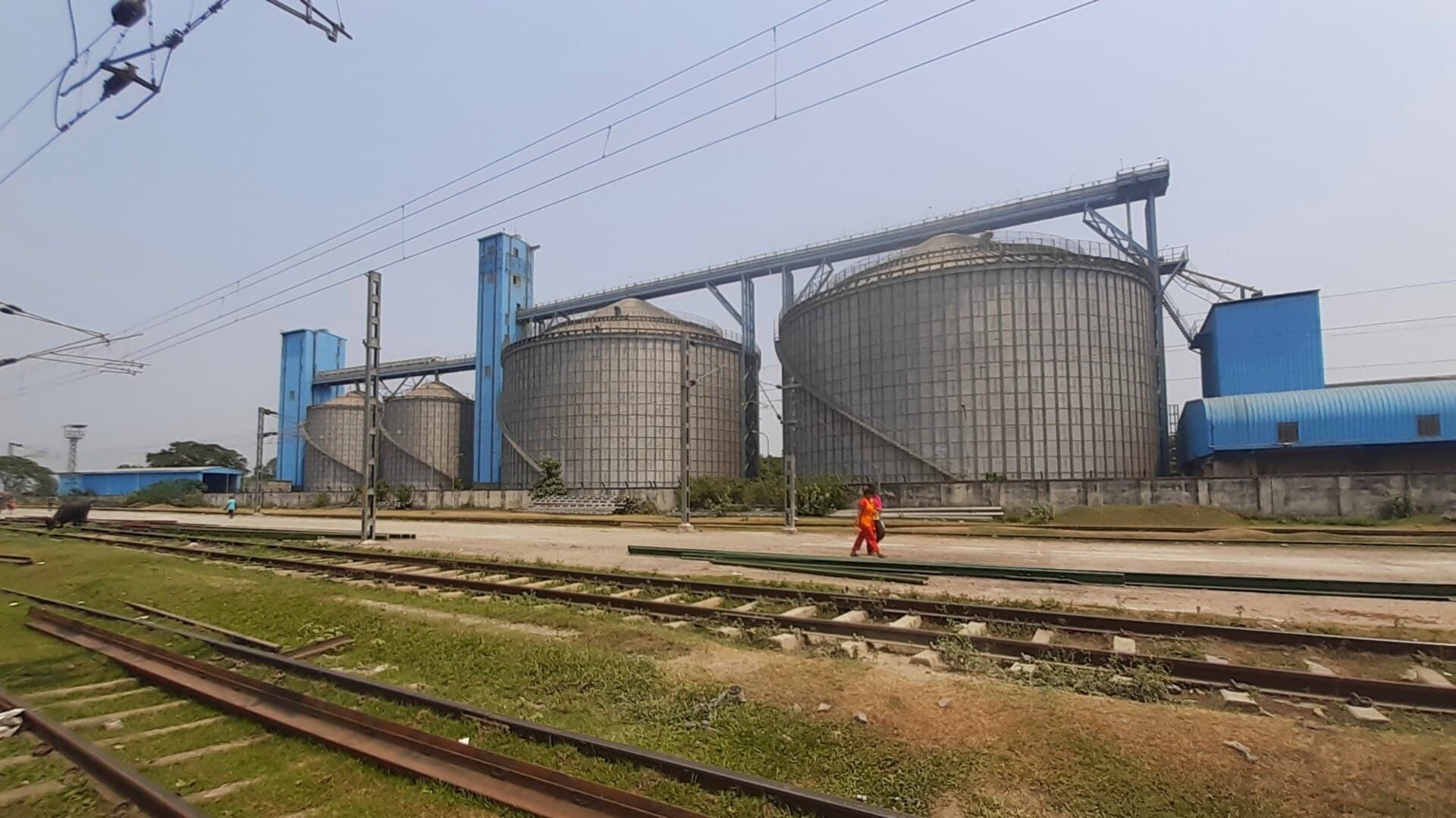
A food plant at 11pm is a wet, loud, chemical, lone-work job that can close a shift with a swab. The production crew has gone. The sanitation crew owns the rooms that will make tomorrow's product. If you bid this as "industrial cleaning" with a larger mop, you will meet a quality manager who speaks HACCP, allergens and export, and a night supervisor who will send you home for the wrong brush.
The food business is the client. They hold the licence, the HACCP plan, and — if they export prescribed goods — an approved arrangement with the Department of Agriculture, Fisheries and Forestry (DAFF). You are a visitor with a hose, or a dry vacuum, or a CIP connection you must not invent. This briefing is for contractors deciding whether they belong on that night shift.
HACCP is theirs; the hours are yours
Hazard Analysis and Critical Control Point planning is how a site decides where food safety can fail and what it will do about it. Cleaning is usually a prerequisite program — good hygienic practice, sanitation standard operating procedures — sitting under the HACCP plan rather than a CCP of its own. That does not make it optional. A failed pre-operative inspection in the morning is a delayed start, dumped product, and a contractor who will not be invited back.
Read their SSOP before you price. It will name chemicals, concentrations, contact times, rinse requirements, the order of rooms, and what "visually clean" means on a particular machine. Your commercial favourite degreaser is irrelevant if it is not on their approved list. Food-contact surfaces, splash zones and environmental surfaces are different, even if they look like stainless steel.
Records are the product you sell next to the clean. A signed, timed sheet the quality team can file beats a supervisor's thumbs-up. If the site is export-registered, those records sit under the approved arrangement. DAFF's guidance for export establishments — dairy and poultry papers are the ones most often waved at contractors — expects documented hygiene, pre-operational sanitation, and evidence that cleaning works. "We mopped" is not evidence.
GFSI-benchmarked schemes (BRC, SQF, FSSC 22000 and their cousins) show up on sites that sell into retail or export. They will audit you as if you were staff. Train to the site procedure, not to a generic "food safety awareness" slide.
Allergen changeovers are a validated method
Allergen management is not a pink cloth. Protein residues do not care that a surface looks shiny. DairySafe Victoria's allergen guidance for dairy — which other plants steal from, for good reason — is blunt: validate the clean for each allergen and each line, repeat the validation until it is consistent, revalidate after a change or at least annually, and verify after production before a non-allergen run. Visual inspection is not enough.
Your crew will be told which tools are dedicated, which are single-use, and which colours belong to which allergen profile. Recirculated CIP solutions can carry allergen from the last run. High-pressure hoses and compressed air can move powder across a room you thought you had isolated. If the site forbids them in an allergen area, that is the specification, not a suggestion.
Price the changeover as its own job when the production schedule demands a full strip between SKUs. A "quick rinse" that the planner promised is not the validated method. The hour you save will come back as a withheld load or a recall conversation you do not want your company name in.
Label claims are the site's. Cross-contact is how your mop becomes part of a claim. Take that seriously or stay in commercial offices.
High-pressure versus dry clean
Water is a tool and a hazard. High-pressure washing lifts soil and throws it onto high ledges, into electrics, and through hollow frames. In a wet red-meat or poultry room it may be the method the SSOP names, with rules about pressure, distance and when production has actually stopped. In a bakery, a powder-blend plant, chocolate, infant formula or a low-moisture room, dry cleaning — vacuum, scrape, controlled wipe — exists because moisture grows microorganisms and cakes powder into places a swab will find.
Do not arrive with a fire-hose personality and "industrial" as a personality trait. Ask which rooms are dry, which are controlled-wet, and which are full wash-down. Ask where the drains go and whether the drain is a hygienic design or a trench that has never been the right shape. A contractor who floods a dry room has not been thorough. They have contaminated it.
Chemicals follow the same split. Chlorinated foam, caustic, acid descalers and no-rinse sanitisers each have a place and a compatibility problem. Mix them and you can produce a gas or a dead cleaner. Store, decant and dose as the SDS and the site chemical standard require — chemical safety is not optional because the drum is "food grade". Night crews skip steps when they are tired. Supervision is the control.
Confined spaces — tanks, bins, some cookers — are a high-risk work licence and a permit, not a keen leading hand with a torch. Some canopy and silo work is also working at heights. Wet floors, steam and night fatigue are the ordinary WHS, and they still put people in hospital. The night roster itself is the same problem as rostering a night crew, with a swab at the end instead of a foyer inspection.
Export plants, importing countries and the USDA sentence
Australian export-registered establishments are registered under the Export Control Act 2020 and the commodity rules. DAFF registers the site so that government certification of the goods means something. Hygiene, product integrity and importing-country requirements sit in the approved arrangement.
Some meat and poultry plants that ship to the United States will talk about USDA / FSIS requirements. That is real: the importing country gets to set conditions, and the site's arrangement must meet them. It does not make the USDA the Australian regulator, and it does not make a sanitation contractor a federal officer. Follow the site's written procedure. If a tender is written as if you needed a "USDA licence" to mop a floor in Victoria, ask them to name the Australian instrument they actually mean.
Other destinations — China, Japan, the European Union, the Middle East — bring their own official lists and residue rules. You will not memorise them. You will follow the SSOP that the quality manager updates when a market changes. A crew that improvises a chemical because the drum ran out is improvising with someone else's export listing.
Do not use American retail language in a bid to an Australian plant. FSANZ sets the Food Standards Code. State food Acts administer it. DAFF owns export registration. Those are the names that belong on the page.
Night sanitation crews
The shift starts when production hands over. If handover is late, your hours compress and the morning pre-op still sits at 5am. Write a stand-down rate or a delayed-start rule. A planner who always runs long is taking your margin.
Crews need site induction, jewellery and hair rules, smoko rooms they are allowed to use, and a clear rule about eating. A contractor eating on a line is a finding. So is a phone on a food-contact bench.
Staffing is a growth problem. You need people who will work nights, in the wet, with enough English or supervision to follow a coded procedure, and enough reliability that a quality manager sees the same faces. A casual pool that changes every Friday will fail the allergen tool rule and the swab trend.
Award coverage is usually the Cleaning Services Award for a contract sanitation company. Penalties for night and weekend work are the job. If the plant wants a 10pm–6am crew plus a Saturday deep clean, price the clock. Cash flow can be ugly: labour-heavy weeks, monthly invoices, and a quality hold that delays sign-off of your timesheet.
Do not share staff between a raw-allergen room and a ready-to-eat room in the same night without the site's written permission and a change protocol. Do not share them with a hospital outbreak roster and hope nobody asks.
Swabbing is how the morning starts
Pre-operational inspection is visual and, on many sites, analytical. ATP swabs give a fast hygiene number. Allergen-specific swabs or rapid tests check the changeover. Environmental microbiology — Listeria in a ready-to-eat plant is the conversation everyone means — is a trend, not a single wipe. The lab is the site's or a contract lab. Your job is to clean in a way that can survive the sample plan, and to reclean without argument when a zone fails.
A failed swab is not an insult. It is a process signal. The wrong response is to drown the area in sanitiser without removing soil. Sanitiser on soil is theatre. The right response is the SSOP, then a reclean, then a retest, then a conversation if the same elbow keeps failing — that elbow may be unhygienic design, not a lazy night.
Ask, before you bid, who swabs, who pays for repeats, and what a repeated fail does to your invoice. A contract that lets the site withhold a month for one zone is a contract that has transferred laboratory risk to a cleaner. Cap it, or walk.
Price the procedure, not the square metre
Food-plant metres are a useless unit. A small high-care room can out-labour a warehouse. Price hours against the SSOP, the changeover calendar, the delayed-handover risk, chemicals at their dose, supervision, and the swab regime. Use the discipline in pricing a square-metre job and then throw the metre away as the billing unit if the client will allow hours or a shift rate.
Walk away if they will not show the SSOP, if they want your insurance to underwrite a recall, or if they expect dry-clean rooms to be fire-hosed because a director saw it on a different site. The contractors who last in this sector are boring: same crew, same method, same records. That is the product.
Hospitals and schools will also talk about infection and screening; they will not talk about allergen validation. Keep the playbooks separate. The set lives in sector playbooks.
Questions contractors ask
- Is HACCP the contractor's plan or the site's?
- The food business owns the HACCP plan and, if it exports, the approved arrangement with the Department of Agriculture, Fisheries and Forestry. You work inside it. If you cannot follow their sanitation standard operating procedures, you should not be on the shift.
- When is high-pressure water the wrong tool?
- In dry, powder and many allergen areas, and anywhere overspray will push residue onto food-contact surfaces or into hollow plant. Dry-clean or controlled wet methods exist because water is a contamination vector, not only a cleaner.
- Do Australian export plants answer to the USDA?
- They answer to Australian export law and to the importing country's requirements. Meat and poultry bound for the United States must meet those US rules, which is why USDA is mentioned on some sites. The regulator who registers the establishment is still the Australian department, not Washington.